
Tourism and Public Holidays
Ready to lose yourself in this Mediterranean paradise?
Tourism and Public Holidays
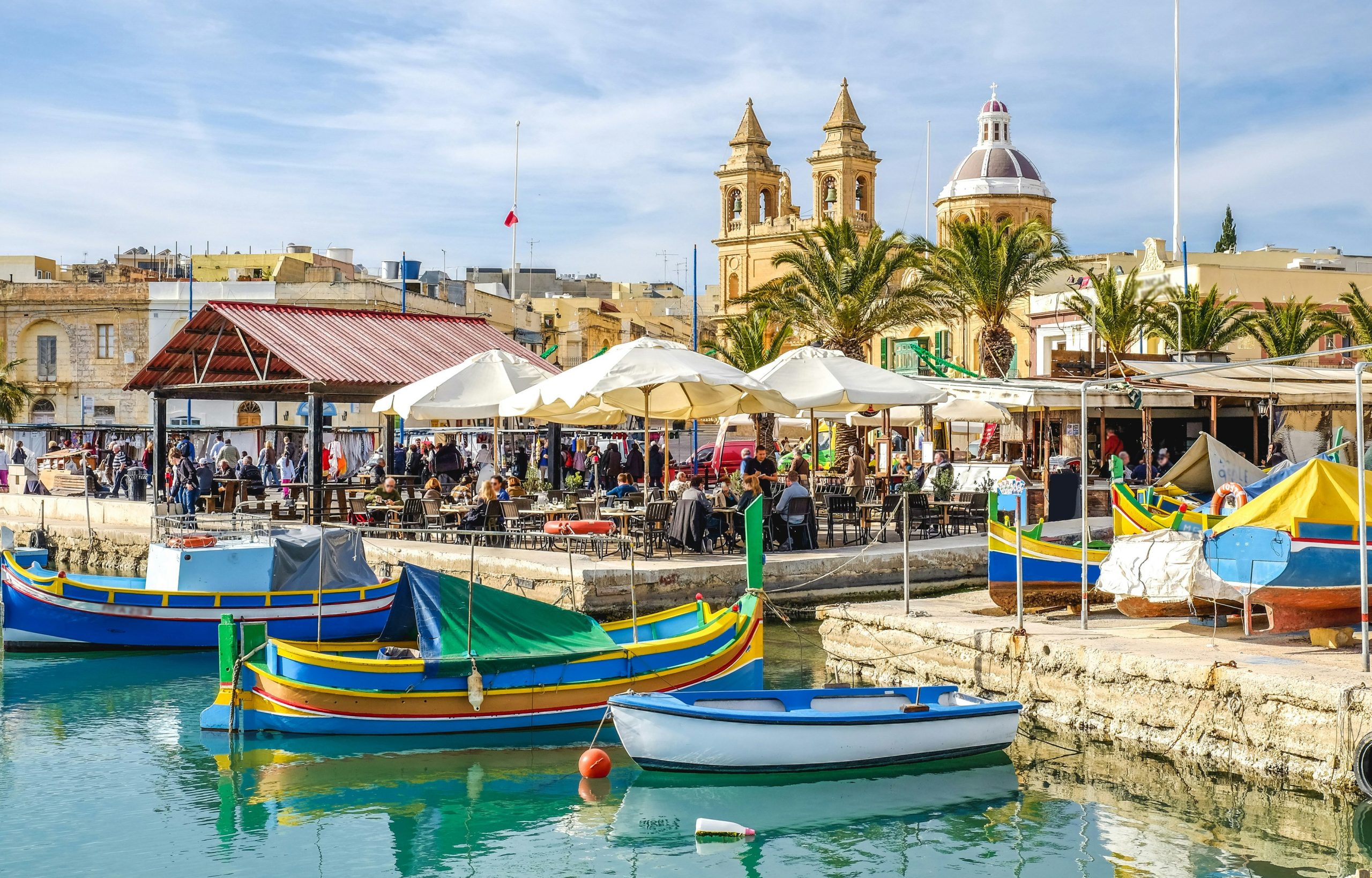
Must-see places to visit in Malta
Discover Malta’s most iconic destinations and enjoy unforgettable experiences on an island where history, culture and the Mediterranean come together.
Admire churches, palaces and fortresses that reflect more than 7,000 years of history.
Official public holidays in Malta
Pack Your Suitcase Well
| Date | Public Holiday |
| 1 January | New Year’s Day |
| 10 February | Feast of St Paul’s Shipwreck |
| 19 March | Feast of St Joseph |
| 31 March | Freedom Day |
| 1 May | Workers’ Day |
| 7 June | Sette Giugno |
| 29 June | Feast of St Peter and St Paul |
| 15 August | Feast of the Assumption |
| 8 September | Victory Day |
| 21 September | Independence Day |
| 8 December | Immaculate Conception |
| 13 December | Republic Day |
| 25 December | Christmas Day |
Main festivals
Carnival in Malta
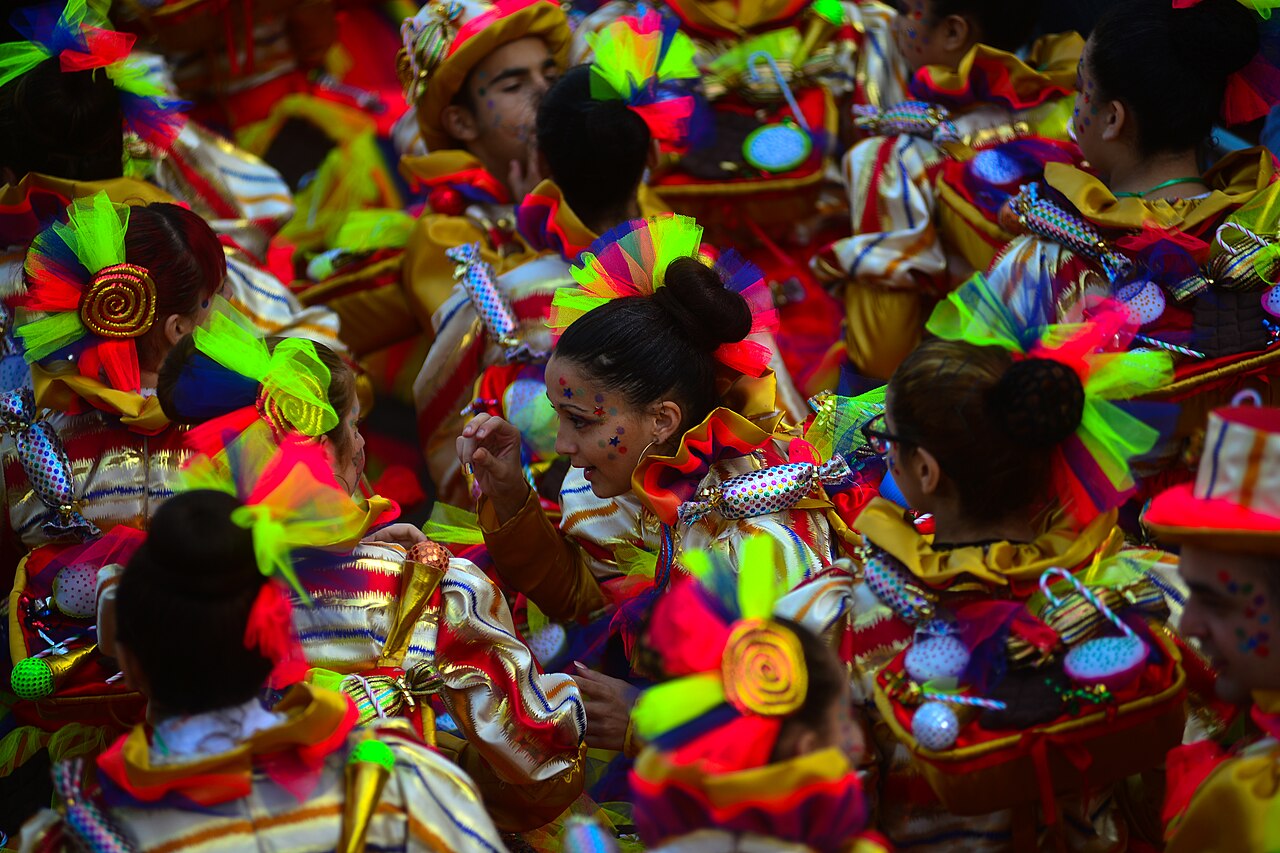
It is one of the most eagerly awaited events among local residents and takes place in February. It brings together the whole family, from young children to adults who take part year after year as spectators or participants in the dances and parades.
This is a major event with more than five centuries of history, where an incredible fantasy world fills the streets with magical costumes, satirical floats, art and music.
Carnival is, of course, celebrated in Valletta and also in Nadur, Gozo.
Malta Fireworks Festival
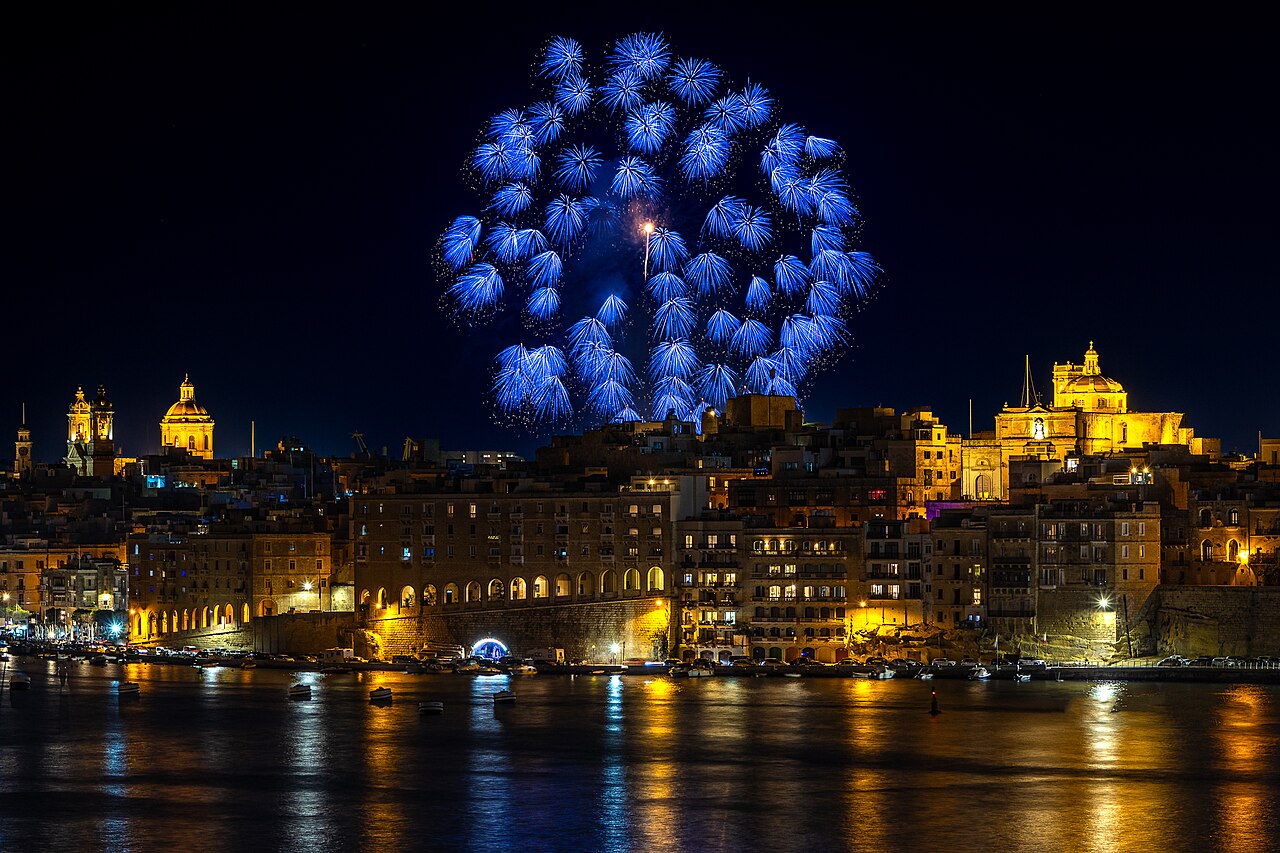
In April, fireworks take centre stage in Malta. This annual event is organised by the Ministry for Tourism to commemorate Malta’s accession to the European Union on 1 May 2004.
The event takes place in Valletta’s Grand Harbour and at other locations.
Malta Jazz Festival
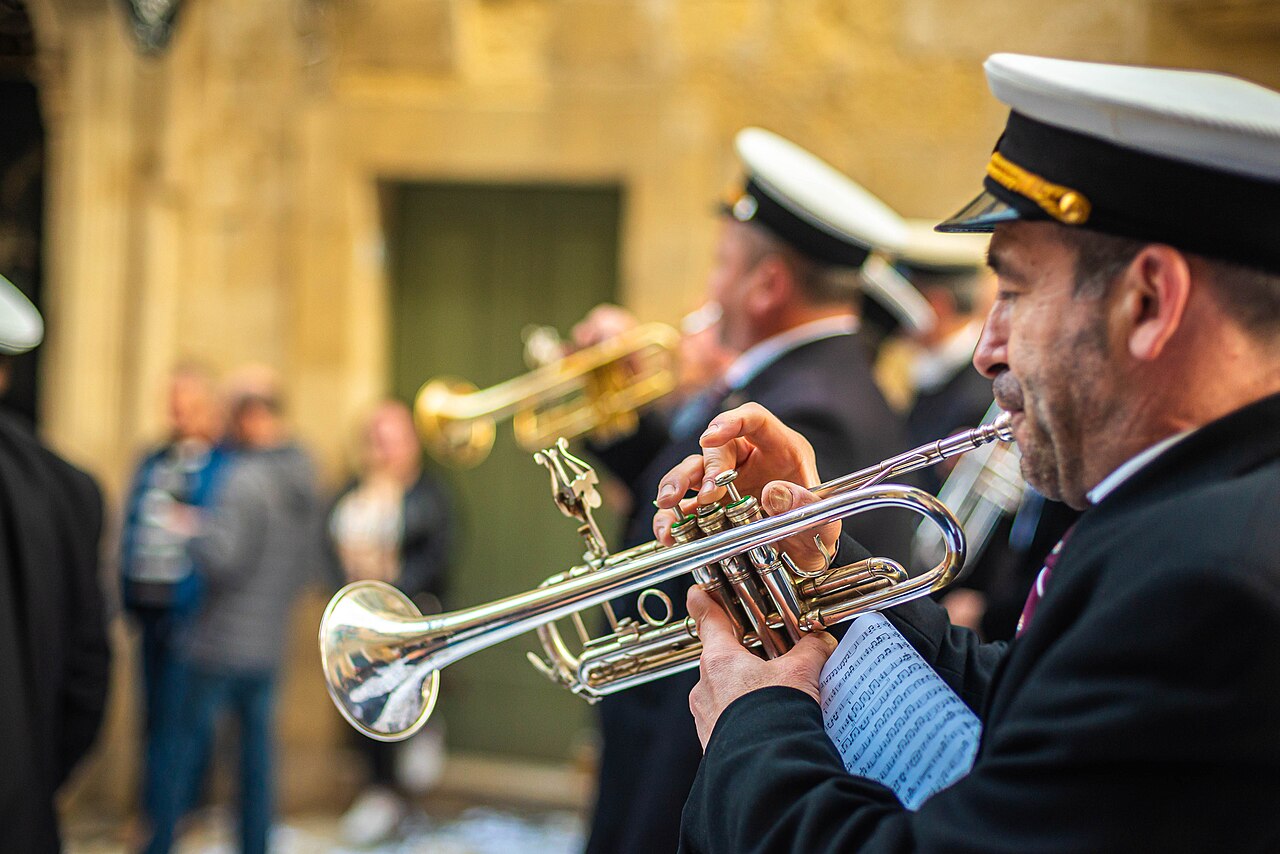
Held in July, usually on the third weekend. It consists of three nights of international jazz with renowned musicians in a unique Mediterranean setting. It takes place beneath Valletta’s bastions, close to the waters of the Grand Harbour.
Malta International Arts Festival
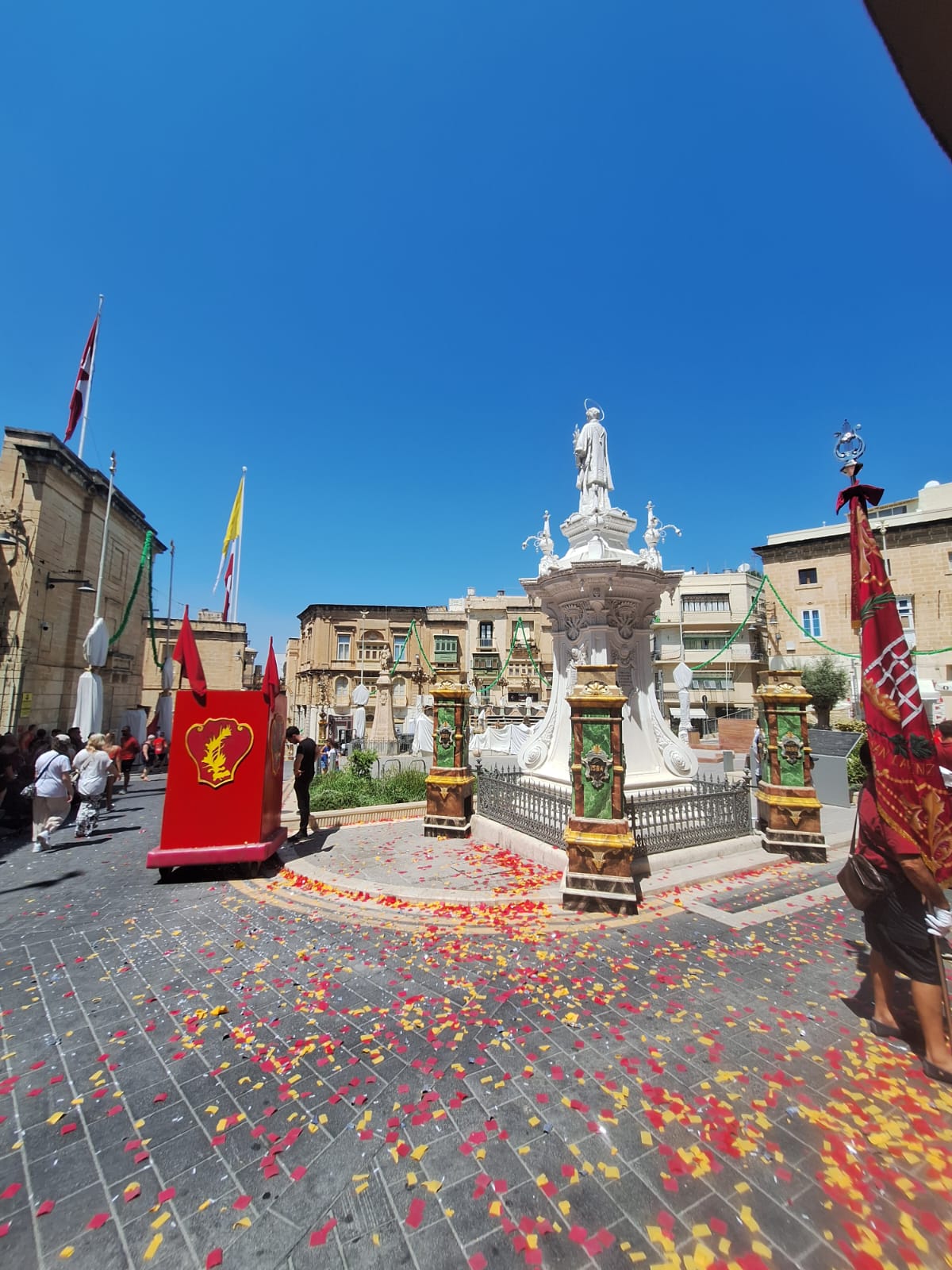
Beginning in mid-July and continuing into August, the Malta International Arts Festival lasts three weeks and includes a wide range of artistic expressions, such as theatre, dance, music and art.
It is held at the Mediterranean Conference Centre and the St. James Cavalier cultural centre in Valletta.
Notte Bianca
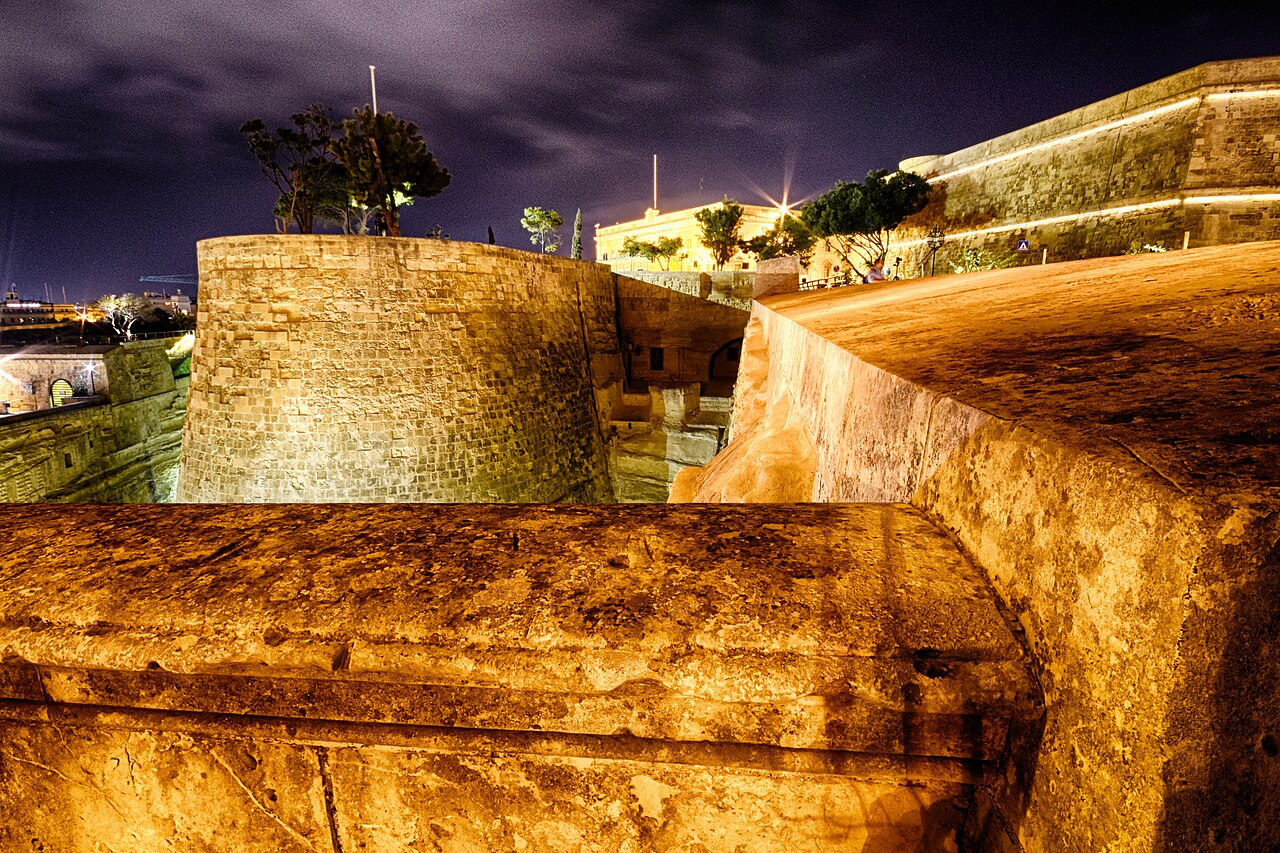
Held in October, Notte Bianca is an annual Maltese event that lights up Valletta’s urban landscape with a spectacular night-time celebration of people, culture and art.
Museums and cultural centres open their doors with visual-art exhibitions and theatre performances, while outdoor streets and squares showcase some of the best local and international musicians and dancers.
Festival Mediterranea – Gozo
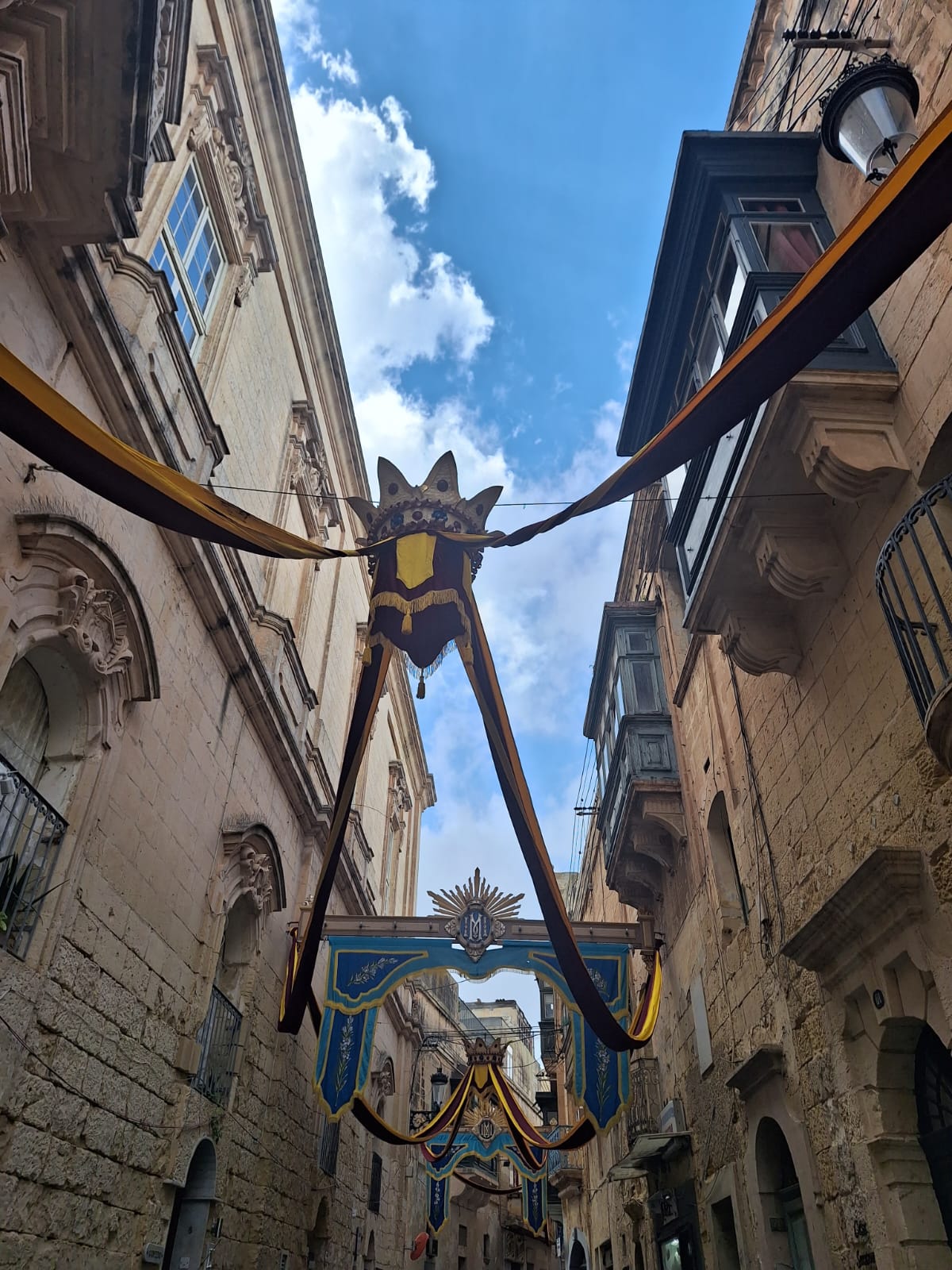
Held at the end of October. Events take place both indoors and outdoors, including concerts, international conferences, guided walks through historic sites, excursions and gastronomic events.
A perfect time to discover Gozo’s temples and archaeological sites through the various organised events.
History and culture
Valletta
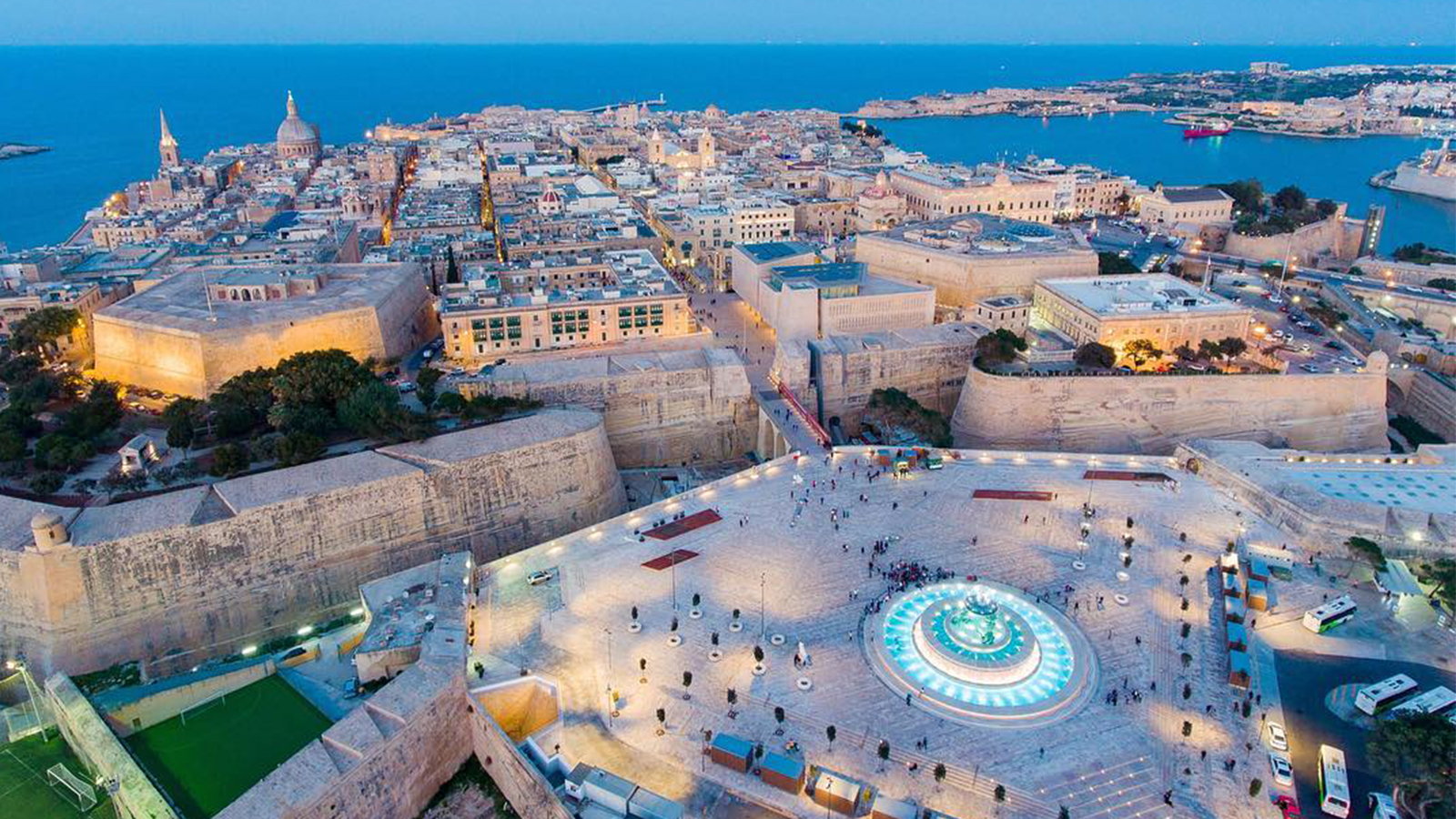
Explore Malta’s capital, a city full of history, culture and UNESCO World Heritage monuments. It is a true architectural gem.
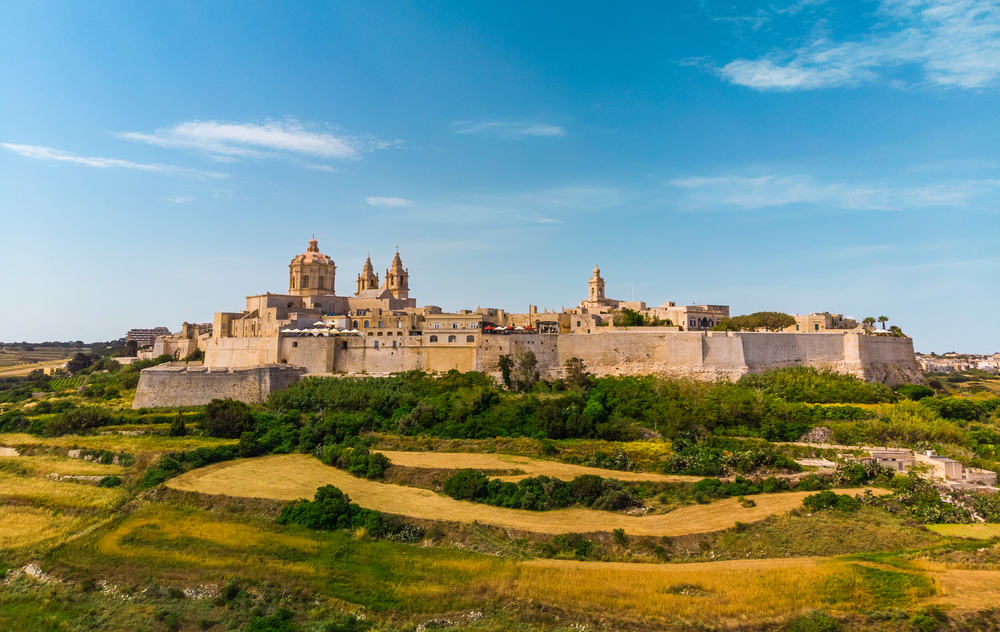
Mdina – The Silent City
Walk through its charming medieval streets and discover one of the island’s most impressive historic cities.
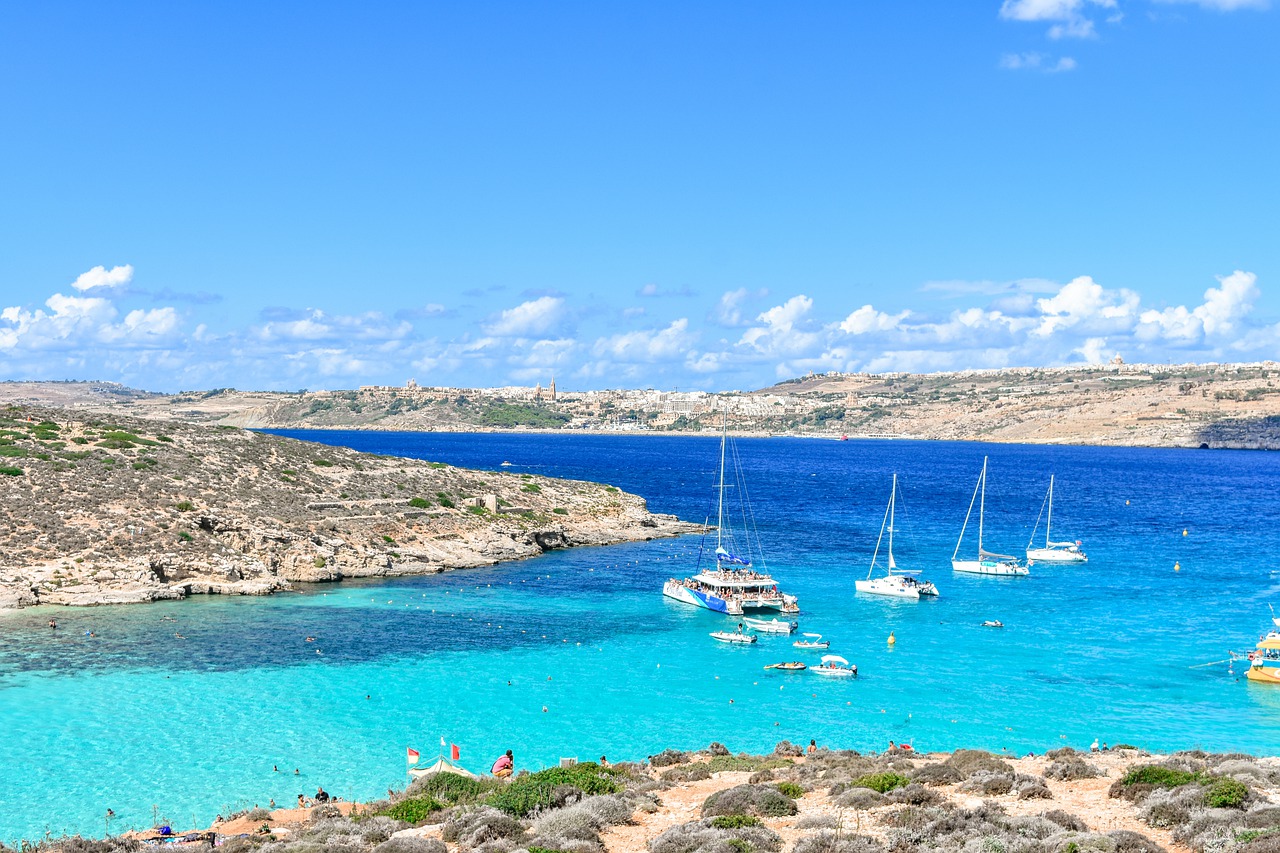
Blue Lagoon (Comino)
Swim in its crystal-clear turquoise waters and enjoy one of the most spectacular natural landscapes in the Mediterranean.
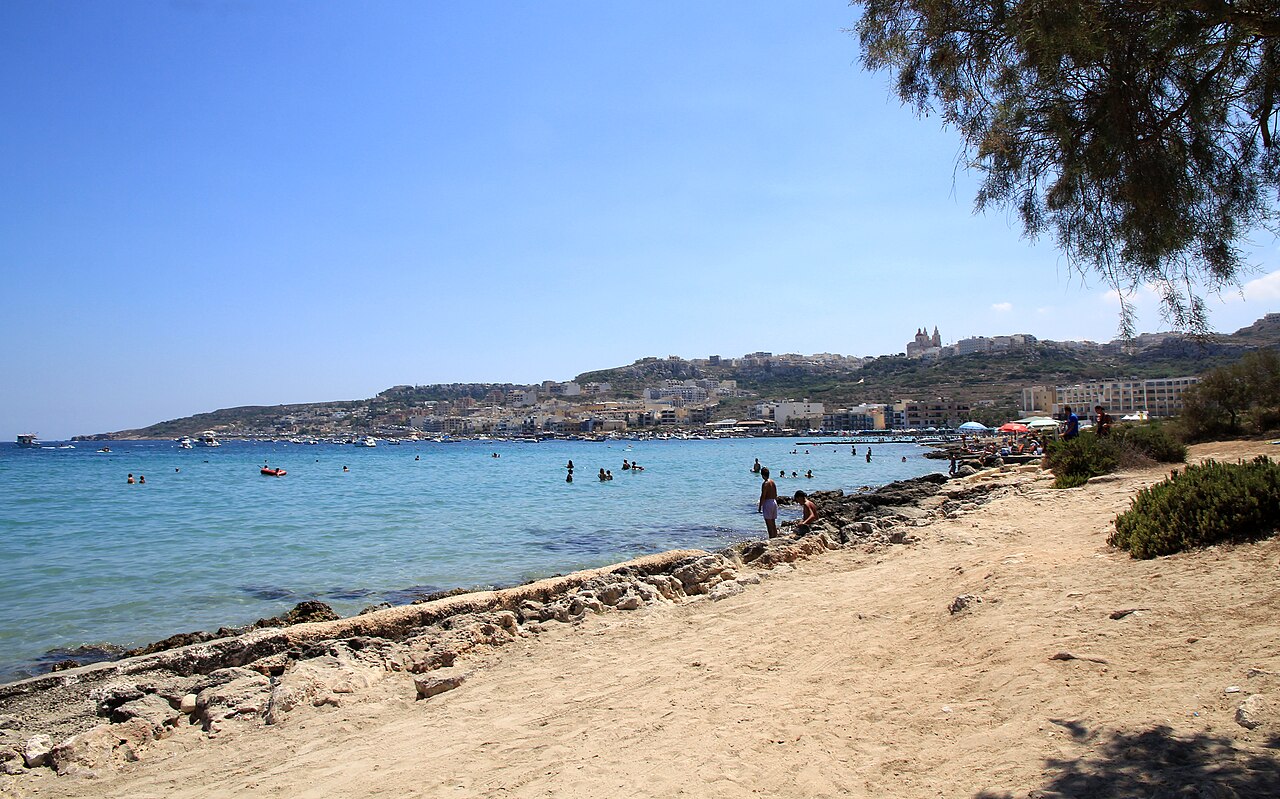
Mellieħa Bay
Relax on its golden sandy beaches, enjoy the Mediterranean sun and experience unique moments by the sea.
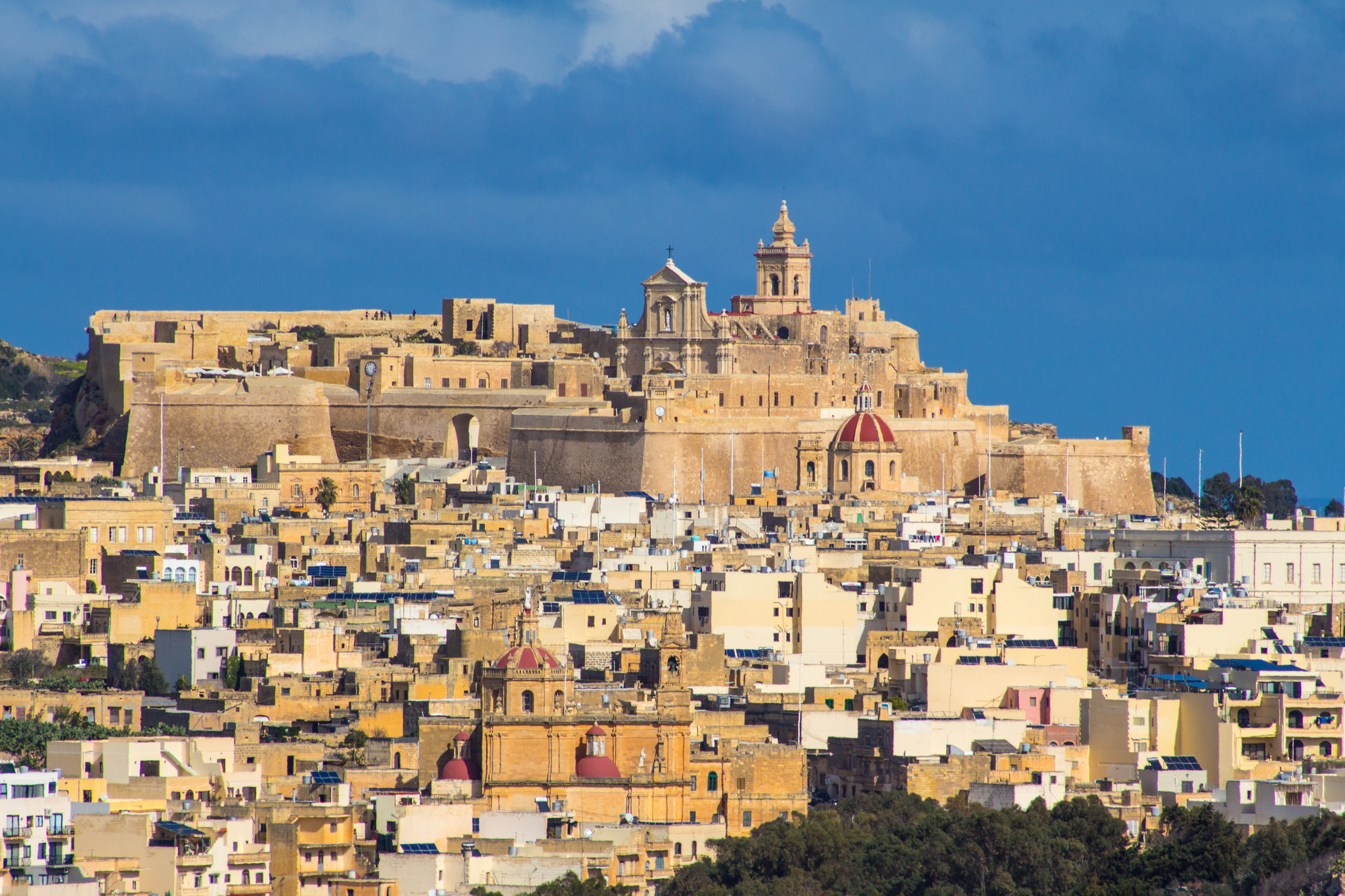
Gozo Island
Discover traditional villages, natural landscapes, local culture and a quieter, more authentic atmosphere.
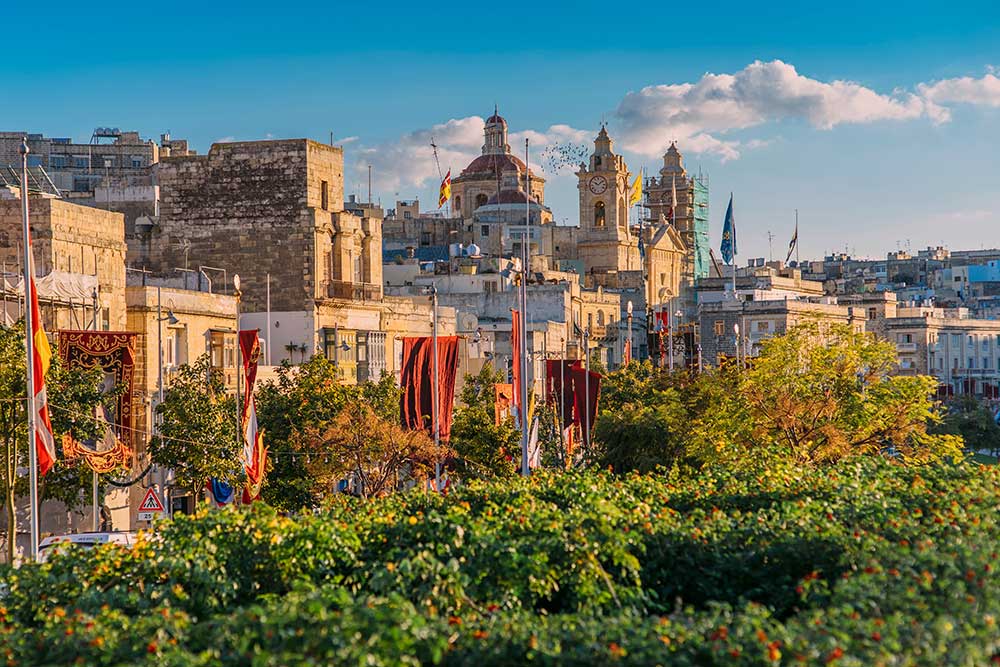
The Three Cities
Travel back in time through ancient fortifications, historic streets and Malta’s important maritime heritage.
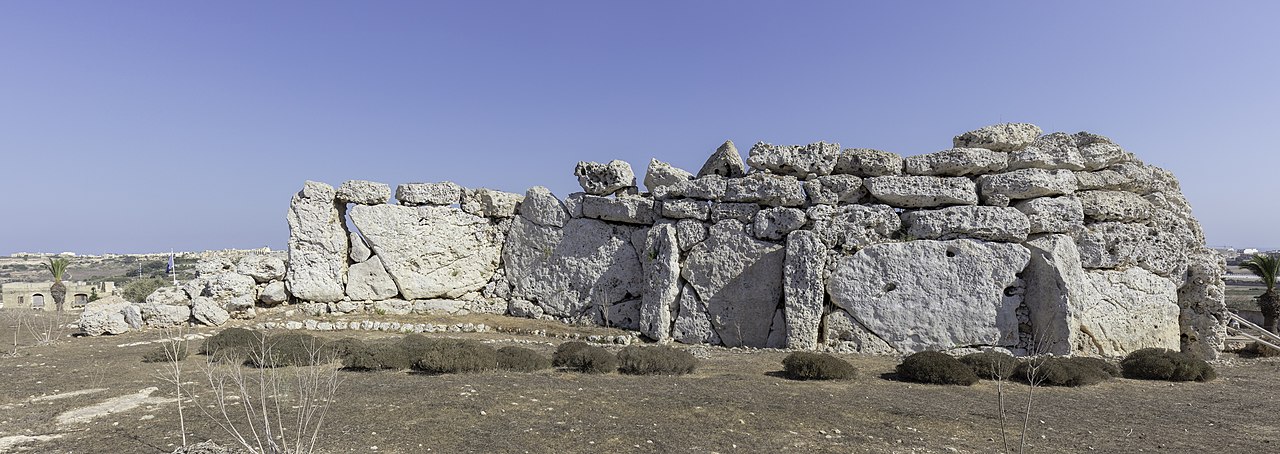
Megalithic Temples
Visit some of the oldest free-standing structures in the world and discover Malta’s fascinating prehistoric history.
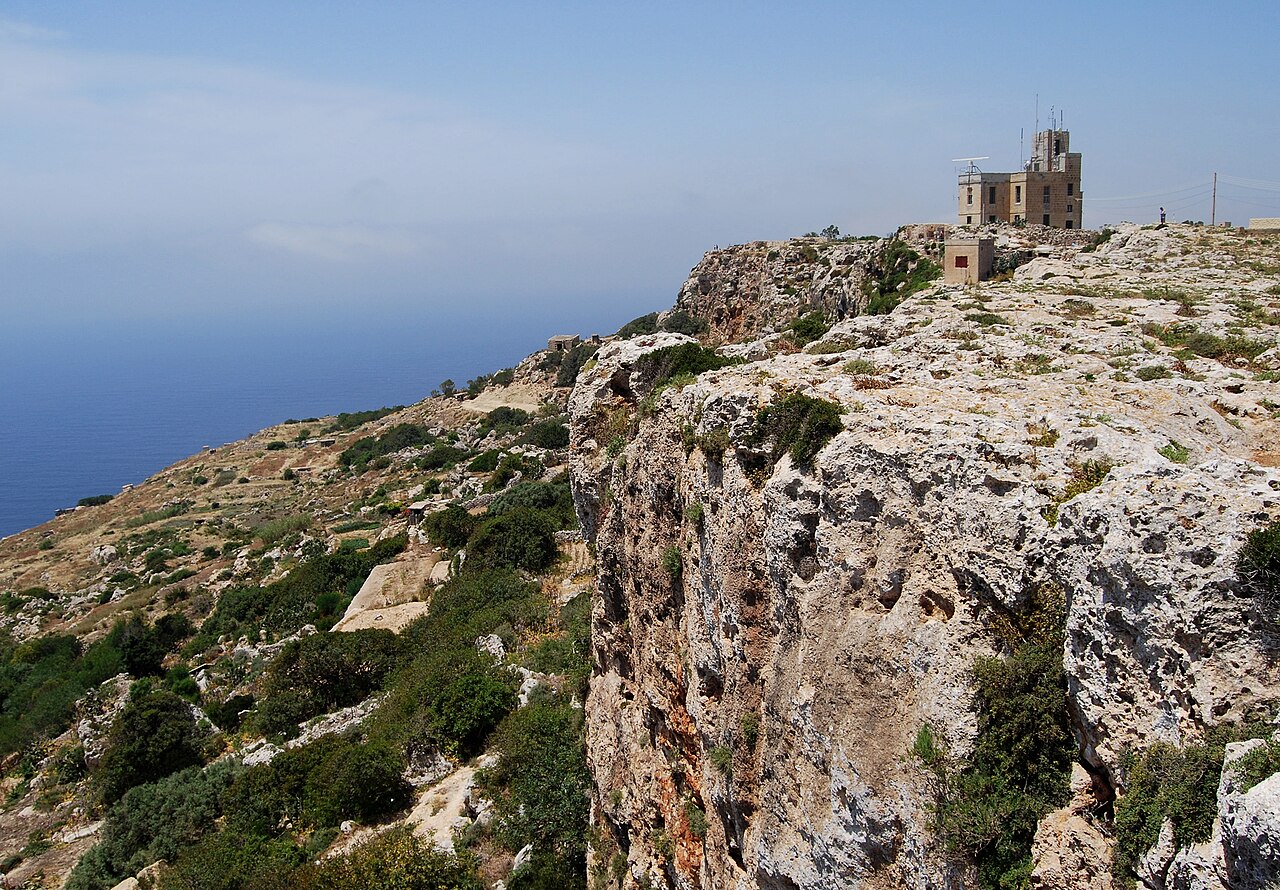
Dingli Cliffs
Enjoy impressive views of the Mediterranean and unforgettable sunsets from the island’s highest point.
What do I need to know before I go?
Type G plugs and sockets are used, the same as in the United Kingdom. The mains voltage is 230 V. You can buy an adaptor almost anywhere for no more than €3.
The official currency in Malta is the euro (€).
It is important to take ATM withdrawal fees abroad into account. In many cases, fees are around 4% in the euro area and 5% outside the common-currency area. This may vary depending on your bank.
You can withdraw cash from any ATM worldwide that accepts Visa cards.
It is advisable to have Revolut. It is very popular on the island for transferring money instantly and paying in shops and other businesses. You can use it physically or virtually, and you can also withdraw cash.
There are two main public hospitals: one in Malta (Mater Dei in Msida) and one in Gozo (Victoria).
There are also local health centres and public clinics providing free services in different localities.
For minor health problems, it can be quicker to visit doctors at private clinics or large pharmacies than to use the public system. They usually charge between €15 and €25 per consultation and can prescribe treatment immediately.
It is not recommended.
Yes, tap water can be used for cooking.